Cart
0
Upgrade Your Medical Training with Premium Spine Demonstration Models
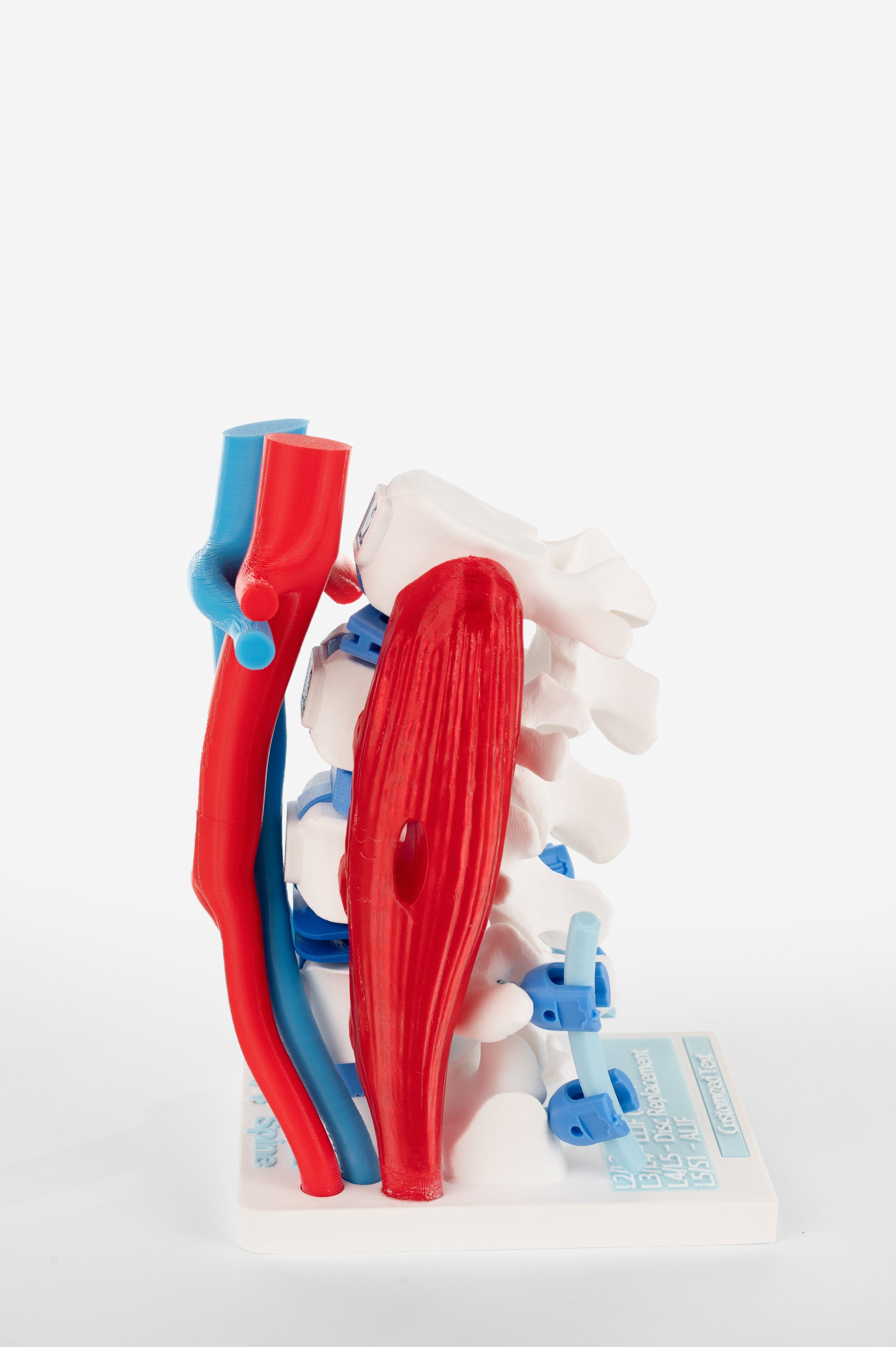
Today's healthcare professionals need more than textbooks and digital diagrams to master spinal anatomy. Premium spine demonstration models provide a realistic, hands-on learning experience that enhances medical education, surgical training, clinical demonstrations, and patient communication. Whether you're teaching future physicians, preparing residents for surgery, or explaining spinal conditions to patients, these advanced anatomical models help bridge the gap between theory and practice.
In this guide, you'll discover why premium spine demonstration models are transforming medical education and how they can elevate learning, improve clinical confidence, and support better patient outcomes.
Why Premium Spine Demonstration Models Matter in Medical Training
Healthcare education is becoming increasingly interactive, with institutions adopting tools that encourage practical learning and critical thinking. While textbooks and digital resources provide valuable knowledge, they often fail to convey the three-dimensional complexity of the human spine.
Premium spine demonstration models allow learners to see, touch, and manipulate anatomical structures, making it easier to understand relationships between vertebrae, discs, nerves, and surrounding tissues.
Bringing Anatomy to Life
Unlike static images, 3D spine models help users visualize:
-
Cervical spine anatomy
-
Thoracic vertebrae
-
Lumbar spine structure
-
Sacrum and pelvis
-
Intervertebral discs
-
Spinal nerves
-
Normal spinal curvature
Hands-on interaction reinforces learning and helps students retain complex anatomical concepts more effectively.
How Premium Spine Models Improve Surgical Training
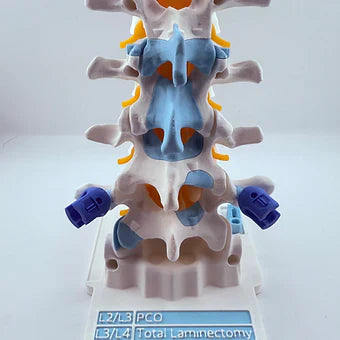
For surgeons and residents, understanding spinal anatomy is essential to delivering safe and effective patient care. Premium demonstration models provide a realistic platform for reviewing anatomy, practicing procedures, and discussing surgical approaches.
Better Surgical Preparation
Advanced spine models support:
-
Surgical planning
-
Procedure demonstrations
-
Implant positioning
-
Resident education
-
Clinical workshops
-
Team collaboration
Using physical models before surgery allows healthcare teams to communicate more effectively and prepare for complex cases.
Safe Skill Development
Simulation-based learning enables surgeons to refine techniques without patient risk. By practicing on anatomical models, clinicians can build confidence before entering the operating room.
Enhancing Medical Education Through Interactive Learning
Medical students often learn best when they can actively engage with educational materials. Premium spine models transform anatomy lessons into interactive experiences that improve understanding and retention.
Improving Student Engagement
Interactive learning encourages students to:
-
Explore spinal structures from multiple angles
-
Understand spatial relationships
-
Identify anatomical landmarks
-
Recognize common spinal disorders
-
Build confidence for practical examinations
This approach supports deeper learning than traditional lectures alone.
Supporting Educators
Medical instructors use spine models to:
-
Demonstrate anatomy during lectures
-
Teach spinal biomechanics
-
Explain pathological conditions
-
Facilitate laboratory sessions
-
Encourage collaborative discussions
These tools make teaching more dynamic and memorable.
The Role of Spine Demonstration Models in Patient Education
Explaining spinal conditions can be challenging, especially when patients are unfamiliar with medical terminology. Premium spine models simplify these conversations by providing a clear visual representation of the affected anatomy.
Helping Patients Understand Their Condition
Healthcare providers can use demonstration models to explain:
-
Herniated discs
-
Degenerative disc disease
-
Spinal stenosis
-
Scoliosis
-
Vertebral fractures
-
Cervical spine disorders
-
Lumbar instability
Patients who understand their diagnosis are more likely to feel confident about treatment decisions.
Building Trust Through Clear Communication
Visual demonstrations help reduce confusion and anxiety while improving informed consent. Patients appreciate seeing exactly how their condition affects the spine and how proposed treatments address the problem.
Why Healthcare Organizations Choose Premium Spine Models
Hospitals, universities, and medical device companies rely on realistic anatomical models because they support a wide range of educational and clinical activities.
Medical Schools and Universities
Students gain valuable hands-on experience that complements classroom instruction and anatomy laboratories.
Teaching Hospitals
Residents and fellows use spine models during surgical training, case reviews, and continuing education programs.
Medical Device Companies
Demonstration models provide an effective way to showcase implants, surgical instruments, and innovative technologies during conferences and product training sessions.
Physical Therapy and Chiropractic Clinics
Practitioners use anatomical models to explain treatment plans and rehabilitation strategies, improving patient understanding and engagement.
Key Features to Look for in a Premium Spine Demonstration Model
Not every anatomical model offers the same educational value. Choosing the right model is essential for achieving your learning objectives.
Anatomical Accuracy
Look for models that accurately represent:
-
Cervical vertebrae
-
Thoracic vertebrae
-
Lumbar vertebrae
-
Sacrum
-
Pelvic anatomy
-
Intervertebral discs
-
Spinal curvature
Clinically accurate models provide more meaningful educational experiences.
Interactive Design
High-quality models often include:
-
Detachable vertebrae
-
Removable discs
-
Flexible movement
-
Pathological features
-
Surgical modifications
These interactive elements encourage exploration and hands-on learning.
Durable Construction
Premium models are built with materials that withstand frequent use in classrooms, hospitals, and conference settings. Investing in durable models ensures long-term value and reliable performance.
Choosing the Right Spine Demonstration Model
Selecting the best model depends on your educational goals and intended audience.
Consider Your Primary Use
Ask yourself:
-
Will the model be used for classroom instruction?
-
Is patient education a priority?
-
Will surgeons use it for procedural planning?
-
Do you need removable components?
-
Will it be used during conferences or product demonstrations?
Choosing a model that aligns with your needs maximizes its effectiveness.
Best Practices for Using Spine Demonstration Models
To get the most value from your anatomical models:
-
Integrate them into anatomy lectures.
-
Pair them with MRI and CT imaging.
-
Encourage hands-on interaction during classes.
-
Use them during patient consultations.
-
Include them in surgical workshops.
-
Incorporate them into continuing medical education programs.
Combining physical models with digital learning resources creates a comprehensive educational experience.
Frequently Asked Questions
Why are premium spine demonstration models important?
They improve understanding of spinal anatomy, enhance surgical training, and simplify patient education through realistic, hands-on learning.
Who should use spine demonstration models?
Medical students, surgeons, residents, healthcare educators, physical therapists, chiropractors, hospitals, and medical device companies all benefit from these educational tools.
Are these models suitable for patient consultations?
Yes. Demonstration models help patients visualize spinal conditions and better understand treatment recommendations.
What makes premium models different?
Premium models offer greater anatomical accuracy, interactive features, durable construction, and clinical relevance compared to standard educational models.
The Future of Medical Training
As healthcare education continues to evolve, technologies such as simulation, virtual reality, and artificial intelligence are becoming more common. However, physical anatomical models remain an essential part of medical training because they provide tactile experiences that digital tools cannot fully replicate.
Combining advanced spine demonstration models with modern educational technologies creates a powerful learning environment that prepares healthcare professionals for real-world clinical practice.
Conclusion
Premium spine demonstration models are transforming the way healthcare professionals learn, teach, and communicate. Their realistic design, interactive features, and clinical accuracy make them invaluable resources for medical education, surgical training, patient consultations, and product demonstrations.
Whether you're educating students, preparing surgeons, or helping patients understand spinal conditions, investing in high-quality anatomical models enhances learning outcomes and supports better clinical care.
Call to Action
Ready to upgrade your medical training?
Explore our collection of premium spine demonstration models and discover how realistic anatomical models can improve education, strengthen patient communication, and support surgical excellence.
Browse our collection today and take your medical training to the next level.
Suggested Internal Links
Improve your website's SEO by linking to:
-
Premium 3D Spine Anatomy Models
-
Advanced Spine Surgery Models
-
How Anatomical Models Improve Medical Education
-
Patient Education Resources
-
Medical Training Equipment Guide
Suggested External Resources
For additional educational value, link to trusted sources such as:
-
National Library of Medicine (PubMed)
-
American Association of Neurological Surgeons (AANS)
-
North American Spine Society (NASS)
-
American Academy of Orthopaedic Surgeons (AAOS)
Suggested Image Alt Text
-
Premium spine demonstration model for medical training
-
Realistic 3D spine anatomy model in a classroom
-
Surgeon using an anatomical spine model for education
-
Interactive spine model for patient consultation
-
Medical students learning with a spine demonstration model
-
Anatomical spine model for surgical planning
Primary Keywords
-
Premium Spine Demonstration Models
-
Spine Demonstration Models
-
Medical Training Models
Secondary Keywords
-
3D Spine Anatomy Models
-
Surgical Training Models
-
Medical Education Models
-
Anatomical Spine Models
-
Interactive Medical Models
-
Clinical Teaching Tools
Long-Tail Keywords
-
Upgrade your medical training with premium spine demonstration models
-
Best spine demonstration models for medical education
-
Premium 3D spine models for surgical training
-
Anatomical spine models for teaching hospitals
-
Interactive spine demonstration models for patient education
-
Realistic spine models for clinical demonstrations
-
Surgeon-designed spine anatomy models
-
Medical training tools for spinal anatomy
-
Spine models for orthopedic education
-
Professional anatomical models for healthcare professionals
LSI Keywords
-
Human spine anatomy
-
Vertebral column
-
Cervical spine
-
Thoracic spine
-
Lumbar vertebrae
-
Sacrum
-
Intervertebral disc
-
Surgical simulation
-
Anatomy laboratory
-
Orthopedic education
-
Neurosurgery training
-
Healthcare education
-
Clinical demonstrations
-
Medical teaching aids
-
Spine disorders
-
Medical simulation
-
Interactive anatomy learning
-
Healthcare training equipment
-
Patient communication
-
Surgical planning