Cart
0
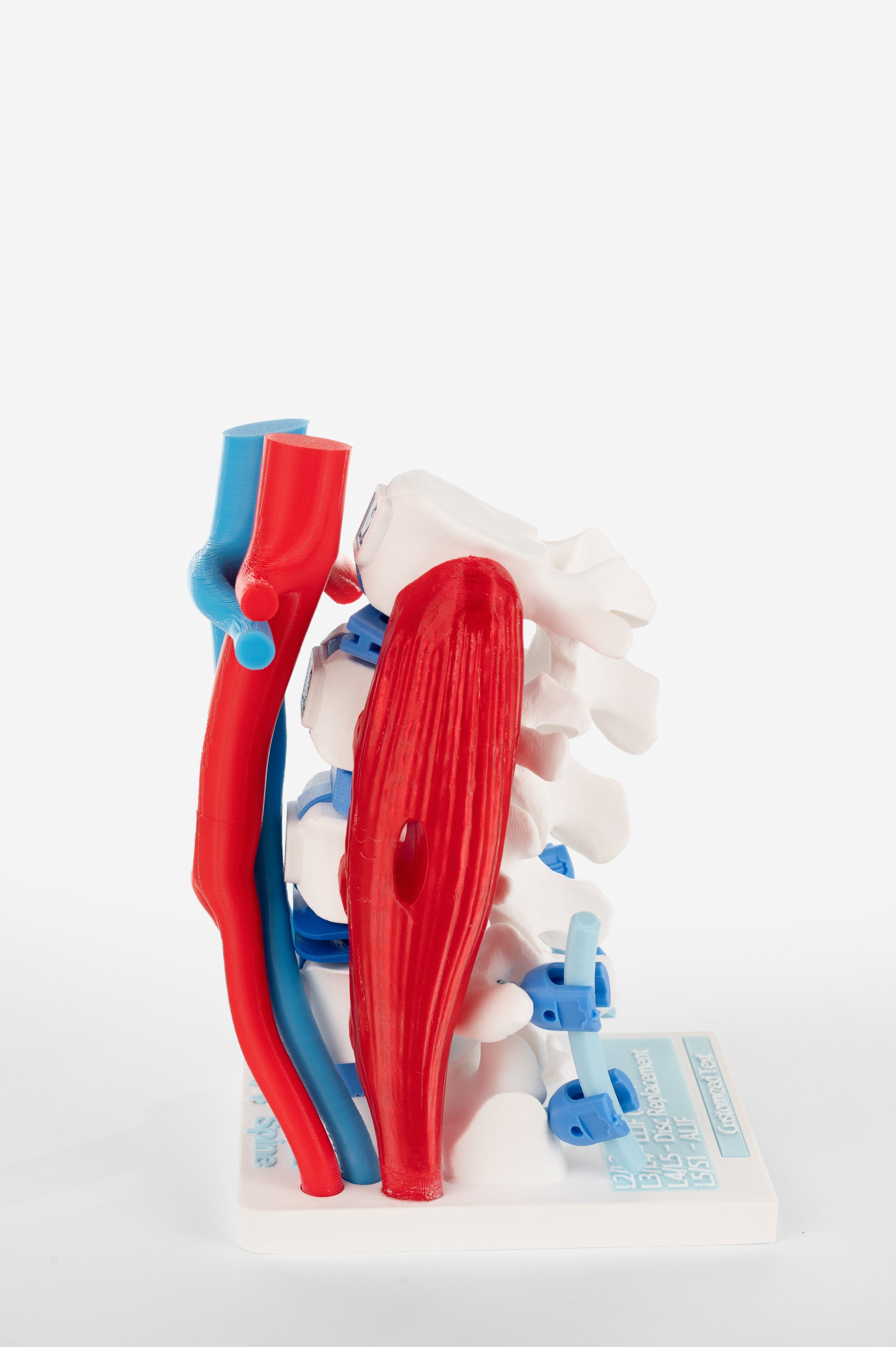
Empowering Medical Professionals with Accurate Spine Education Models
The healthcare industry relies on precision, continuous learning, and effective communication. Accurate spine education models have become essential tools for medical professionals, helping them understand complex spinal anatomy, improve surgical training, educate patients, and enhance classroom instruction. From medical schools and teaching hospitals to orthopedic clinics and medical device companies, these realistic anatomical models are reshaping how spinal education is delivered.
In this comprehensive guide, you'll learn why premium spine education models are a valuable investment, how they support healthcare professionals at every stage of their careers, and what features to look for when selecting the right model.
Why Accurate Spine Education Models Matter
Learning spinal anatomy is one of the most challenging aspects of medical education. The spine is a complex structure made up of vertebrae, discs, nerves, joints, ligaments, and muscles that work together to support movement and protect the spinal cord.
While textbooks and digital illustrations provide useful information, they often fail to show the three-dimensional relationships between these structures. Accurate spine education models bridge this gap by offering a realistic, hands-on learning experience that improves understanding and retention.
The Value of Hands-On Learning
Interactive learning allows students and healthcare professionals to:
-
Explore the structure of the cervical, thoracic, and lumbar spine
-
Understand spinal alignment and biomechanics
-
Visualize common spinal conditions
-
Practice clinical demonstrations
-
Reinforce classroom knowledge through tactile experience
Hands-on education helps learners build confidence before applying their knowledge in real clinical settings.
How Spine Education Models Empower Medical Professionals
Healthcare professionals across multiple specialties use anatomical spine models every day to improve teaching, learning, and patient care.
Supporting Medical Students
Medical students often struggle to visualize the complex relationships between vertebrae, discs, nerves, and joints. Physical models make these structures easier to understand by allowing students to examine them from every angle.
Students can improve their understanding of:
-
Cervical spine anatomy
-
Thoracic vertebrae
-
Lumbar spine
-
Sacrum and pelvis
-
Intervertebral discs
-
Spinal nerves
-
Anatomical landmarks
Interactive learning also prepares students for laboratory exams and future clinical practice.
Building Clinical Confidence
Students who regularly work with realistic anatomical models often develop stronger spatial awareness and greater confidence during patient assessments and surgical rotations.
Enhancing Surgical Training
For orthopedic surgeons, neurosurgeons, and residents, anatomical accuracy is critical. Premium spine education models support procedural planning and clinical education by providing a realistic representation of spinal anatomy.
Healthcare professionals can use these models to:
-
Review complex anatomy before surgery
-
Demonstrate surgical approaches
-
Explain implant placement
-
Teach residents and fellows
-
Conduct multidisciplinary case discussions
Simulation-based learning creates a safe environment for developing technical skills before entering the operating room.
Improving Patient Education with Visual Demonstrations
Many patients have difficulty understanding spinal conditions when explanations rely only on MRI images or medical terminology. Accurate spine education models provide a visual aid that simplifies complex diagnoses.
Explaining Common Spinal Disorders
Healthcare providers can use anatomical models to explain:
-
Herniated discs
-
Degenerative disc disease
-
Spinal stenosis
-
Scoliosis
-
Vertebral compression fractures
-
Cervical radiculopathy
-
Lumbar instability
Visual demonstrations help patients better understand their condition and the recommended treatment plan.
Strengthening Patient Trust
When patients clearly understand their diagnosis, they are more likely to:
-
Ask informed questions
-
Feel confident about treatment decisions
-
Participate actively in rehabilitation
-
Experience reduced anxiety before surgery
Effective communication leads to stronger physician-patient relationships and improved satisfaction.
Why Healthcare Institutions Invest in Premium Spine Models
Hospitals, universities, and healthcare organizations recognize the long-term educational value of high-quality anatomical models.
Medical Schools and Universities
Spine education models support:
-
Anatomy laboratories
-
Classroom instruction
-
Practical examinations
-
Student workshops
-
Collaborative learning
Hands-on resources improve engagement and encourage active participation.
Teaching Hospitals
Hospitals use realistic spine models during:
-
Resident training
-
Continuing medical education (CME)
-
Surgical workshops
-
Clinical conferences
-
Team-based learning
These models help standardize education across departments.
Medical Device Companies
Manufacturers use anatomical spine models to demonstrate:
-
Pedicle screw systems
-
Interbody cages
-
Artificial discs
-
Surgical implants
-
Instrumentation techniques
Interactive demonstrations help clinicians understand product applications more effectively.
Features That Define an Accurate Spine Education Model
Choosing the right model is essential for maximizing educational value.
Anatomical Precision
Look for models that accurately represent:
-
Cervical vertebrae
-
Thoracic vertebrae
-
Lumbar vertebrae
-
Sacrum
-
Pelvic anatomy
-
Intervertebral discs
-
Nerve roots
-
Spinal curvature
Clinical accuracy supports better learning and more effective demonstrations.
Interactive Components
High-quality spine models often include:
-
Detachable vertebrae
-
Removable discs
-
Flexible movement
-
Pathological features
-
Surgical modifications
Interactive designs encourage hands-on exploration and deeper understanding.
Durable Construction
Premium models are designed to withstand frequent use in:
-
Medical schools
-
Hospitals
-
Clinics
-
Conference centers
-
Simulation laboratories
Durable materials ensure years of reliable performance.
Choosing the Best Spine Education Model
Selecting the right anatomical model depends on your educational goals.
Ask These Questions Before Buying
-
Who will use the model?
-
Will it support patient education?
-
Is surgical training a priority?
-
Are removable components necessary?
-
Will it be used during conferences or demonstrations?
Choosing a model that matches your needs ensures long-term value and educational effectiveness.
Best Practices for Using Spine Education Models
To maximize learning outcomes:
-
Incorporate models into anatomy lectures.
-
Pair demonstrations with MRI and CT imaging.
-
Encourage hands-on participation during training sessions.
-
Use models to explain surgical procedures.
-
Include them in patient consultations.
-
Integrate them into continuing education programs.
Combining physical models with digital learning tools creates a more comprehensive educational experience.
Frequently Asked Questions
Why are accurate spine education models important?
They improve understanding of spinal anatomy, support surgical training, enhance classroom instruction, and simplify patient education.
Who benefits from spine education models?
Medical students, surgeons, residents, educators, physical therapists, chiropractors, hospitals, universities, and medical device companies all benefit from realistic anatomical models.
Are these models suitable for patient consultations?
Yes. Anatomical models make it easier for patients to visualize spinal conditions and understand treatment recommendations.
What makes premium spine models different?
Premium models provide greater anatomical accuracy, interactive features, durable construction, and real-world clinical relevance.
The Future of Spine Education
Medical education continues to embrace innovative technologies such as virtual reality, simulation, and artificial intelligence. However, physical anatomical models remain essential because they provide tactile experiences that digital tools cannot fully replicate.
The future of spine education lies in combining realistic physical models with advanced digital technologies to create immersive and effective learning environments.
Conclusion
Accurate spine education models empower medical professionals by improving anatomical understanding, enhancing surgical training, strengthening patient communication, and supporting modern healthcare education.
Whether you're teaching future physicians, preparing residents for surgery, educating patients, or demonstrating medical devices, premium anatomical models provide the precision, realism, and durability needed for successful learning outcomes.
Investing in high-quality spine education models is an investment in better education, safer procedures, and improved patient care.
Call to Action
Ready to elevate your medical education and clinical demonstrations?
Explore our collection of accurate spine education models designed for healthcare professionals, educators, hospitals, and medical organizations. Discover how premium anatomical models can improve teaching, support surgical training, and enhance patient understanding.
Browse our collection today and empower your healthcare education with clinically accurate spine models.
Suggested Internal Links
Strengthen your website's SEO with these internal links:
-
Premium 3D Spine Anatomy Models
-
Advanced Spine Surgery Models
-
Realistic Spine Models for Medical Education
-
How Anatomical Models Improve Patient Education
-
Medical Training Resources
Suggested External Resources
For additional educational credibility, link to:
-
National Library of Medicine (PubMed)
-
American Association of Neurological Surgeons (AANS)
-
North American Spine Society (NASS)
-
American Academy of Orthopaedic Surgeons (AAOS)
Suggested Image Alt Text
-
Accurate spine education model for medical training
-
3D anatomical spine model used in surgical education
-
Medical students studying with a spine anatomy model
-
Surgeon demonstrating spinal anatomy using a premium model
-
Interactive spine model for patient education
-
Anatomical spine model for healthcare professionals
Primary Keywords
-
Accurate Spine Education Models
-
Spine Education Models
-
Medical Spine Models
Secondary Keywords
-
3D Spine Anatomy Models
-
Surgical Training Models
-
Medical Education Models
-
Anatomical Spine Models
-
Interactive Medical Models
-
Clinical Teaching Tools
-
Patient Education Models
Long-Tail Keywords
-
Empowering medical professionals with accurate spine education models
-
Best spine education models for medical schools
-
Premium anatomical spine models for surgical training
-
Realistic spine models for healthcare education
-
Interactive spine education models for patient communication
-
Professional spine models for hospitals and universities
-
Surgeon-designed spine anatomy models
-
Clinical spine models for medical training
-
Anatomical models for orthopedic education
-
High-quality spine demonstration models
LSI Keywords
-
Vertebral column
-
Cervical spine
-
Thoracic vertebrae
-
Lumbar spine
-
Sacrum
-
Intervertebral discs
-
Spinal biomechanics
-
Orthopedic education
-
Neurosurgery training
-
Anatomy laboratory
-
Medical simulation
-
Clinical education
-
Healthcare training
-
Patient communication
-
Surgical planning
-
Interactive anatomy learning
-
Medical teaching aids
-
Spine disorders
-
Healthcare education resources